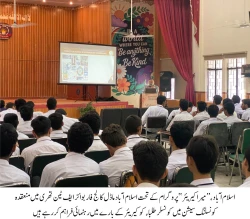




The number of students appearing for the Medical and Dental College Admission Test (MDCAT) has declined significantly in recent years, raising concerns about the growing challenges of pursuing medicine as a career.
Official figures from the Pakistan Medical and Dental Council (PMDC) show that MDCAT candidates have decreased from 204,253 in 2022 to around 138,000 in 2026.
The number of candidates was 194,133 in 2021 and reached its highest level of 204,253 in 2022. It then declined to 180,534 in 2023, around 182,000 in 2024, 140,071 in 2025, and approximately 138,000 in 2026.
Why Are Fewer Students Choosing Medicine?
The Pakistan Medical Association (PMA) has linked the decline to several challenges facing medical students and young doctors.
The major concerns include:
- High fees at private medical colleges
- Limited financial returns for young doctors
- Delays in house-job stipends
- Fewer paid postgraduate training positions
- Difficult working conditions
- Violence against healthcare professionals
- Limited legal protection for doctors
The decline continued even after MDCAT registration was reopened following the test's rescheduling to September 20. The extended registration period resulted in only 2,063 additional candidates.
Students Exploring New Career Options
Career choices among students are changing as new fields offer attractive opportunities in Pakistan and abroad. Many students are now considering computer science, artificial intelligence, biotechnology, health data analytics, and other technology-related careers.
These fields can provide shorter or more flexible career pathways, growing demand, competitive salaries, and opportunities to work in international markets.
The PMA has urged health authorities and the PMDC to address the underlying problems rather than simply reducing MDCAT passing standards to fill vacant seats.
The association has recommended controlling private medical college fees, ensuring timely stipend payments, creating more medical officer positions, and strengthening legal protection for healthcare workers.
For students, the changing trend also highlights an important point: choosing a career should be based on aptitude, interests, long-term opportunities, and personal goals—not simply on the traditional prestige associated with a profession. Medicine can still be an excellent and rewarding career for students who are genuinely suited to it, but today's students have a much wider range of promising career options to consider.