


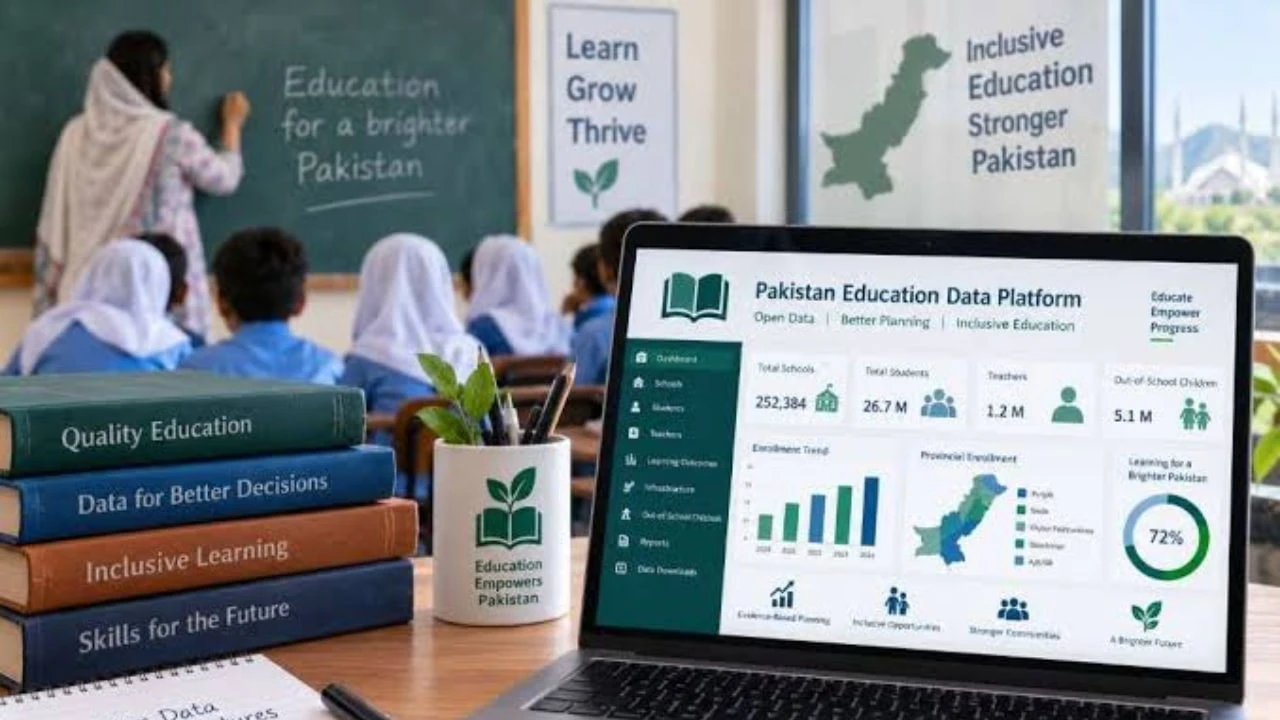
The government is taking a major step toward modernizing education planning by developing a national open-source education data platform designed to improve access to reliable information and support better, data-driven decisions.
The initiative is being developed under the foreign-funded Actions to Strengthen Performance for Inclusive and Responsive Education Program–Technical Assistance (ASPIRE-TA). The project aims to establish functional provincial and national education data platforms that can help policymakers, education departments, and institutions use accurate data for planning and improving education services.
According to project documents, the initiative has achieved 55 percent physical progress and 42 percent financial progress.
A key component of the project is an assessment of teacher training programs. The government will examine whether teacher training is leading to better classroom practices, improved teaching quality, and stronger learning outcomes for students.
The findings can help authorities identify effective training approaches and further strengthen teachers' professional development.
Modern Curriculum and Climate Education
The initiative also focuses on developing curriculum content related to climate change and environmental issues. This will help prepare students for emerging global challenges and promote greater awareness of environmental responsibility.
The program is also supporting participation in international literacy and numeracy assessments, giving education authorities an opportunity to measure student performance against international standards.
Stronger Education Through Better Data
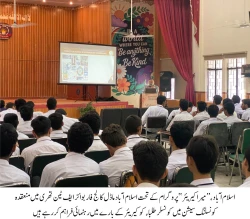
The project includes knowledge-sharing events, capacity-building activities, and national research on assessments, foundational literacy, and quality education.
By bringing reliable education data into a stronger digital system, the initiative can help the government identify weaknesses, monitor progress, plan resources more effectively, and make evidence-based education policies.
Upon completion, the project is expected to support digital learning, curriculum reform, foundational literacy, student wellness and nutrition policies, and the establishment of an Out-of-School Children Challenge Fund.
The initiative reflects a growing focus on using technology, research, and reliable data to build a more efficient and responsive education system, with the potential to improve decision-making and create better learning opportunities for students.