


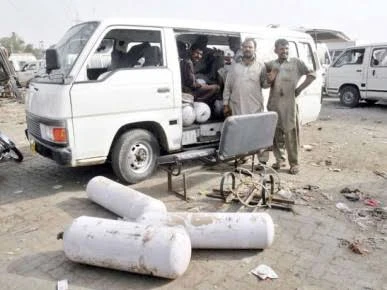
The Board of Secondary Education Karachi (BSEK) has directed schools and other affiliated educational institutions to ensure that vehicles used to transport students do not operate on compressed natural gas (CNG) or liquefied petroleum gas (LPG).
The directive was issued through a notification dated August 6, 2026, in which BSEK Secretary Dr. Naveed Ahmed instructed the heads of affiliated institutions to strictly enforce the prohibition among operators providing student pick-and-drop services.
Strict Action Against Violating Vehicles
Under the directive, vehicles found using CNG or LPG for student transportation will not be permitted to operate as school transport. Authorities may also impose fines and impound vehicles found violating the instructions.
Educational institutions have been asked to immediately stop the use of these fuels in student transport vehicles. The instructions apply even during school vacation periods, meaning transport operators are expected to remain compliant throughout the year.
Schools Asked to Monitor Transport Services
BSEK has also instructed affiliated institutions to conduct regular inspections of vehicles used for student transportation. Schools are required to monitor transport operators and ensure compliance with applicable legal requirements and judicial directives.
The board has further called for awareness campaigns involving students, parents and transporters. These campaigns are intended to highlight the safety risks associated with the use of CNG and LPG in student transport vehicles.
The directive also refers to the Gujrat case precedent while emphasizing the need for educational institutions and transport operators to follow safety-related legal and judicial requirements.
The latest instructions place greater responsibility on schools to monitor private transport providers and ensure that vehicles carrying students meet the required safety standards.