


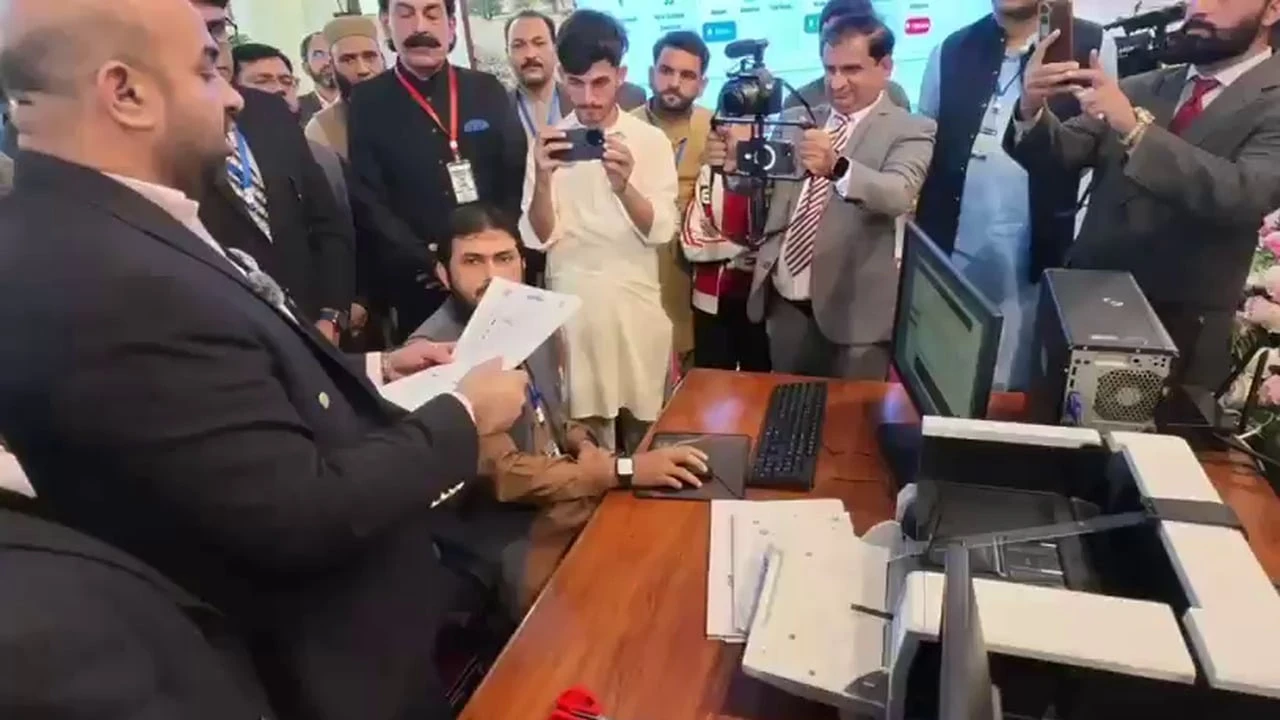
The Punjab government is introducing a digital paper-checking system for matric and intermediate examinations to improve marking accuracy, transparency and efficiency. Under the new system, students' answer sheets will be scanned and checked electronically instead of being marked entirely on paper.
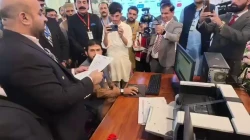
Provincial Education Minister Rana Sikandar Hayat announced the initiative after sharing a live demonstration of the new On-Screen Marking (OSM) system.
During the demonstration at the Board of Intermediate and Secondary Education (BISE) Bahawalpur, answer sheets were scanned using high-speed scanners and displayed on a digital dashboard. Examiners can access the scanned papers and check students' answers directly on their computer screens.
An important feature of the system is facial recognition, which will verify the identity of examiners before they can start checking papers. Only registered examiners will be allowed to access the marking system. If the camera detects more than one face, access is automatically blocked.
The digital dashboard will also monitor marking progress in real time and provide an AI-assisted checking feature to support examiners during the evaluation process.
The initiative is part of broader examination reforms being introduced across Punjab. Earlier, chairpersons of the province's nine educational boards decided to introduce electronic answer sheets (e-sheets) for four science subjects in the coming year. They also finalized the subjects in which on-screen marking will be implemented for matric and intermediate examinations.
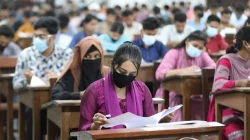
Students will continue writing their answers on paper, but their answer sheets will be scanned and checked digitally.
The new system aims to reduce marking mistakes, ensure consistency in paper checking and make board examinations more transparent and reliable.