


Punjab is set to introduce a major change in its examination system, with the provincial government planning to completely phase out manual paper checking and shift to on-screen marking across the province from next year.
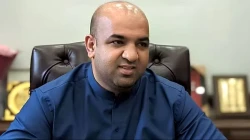
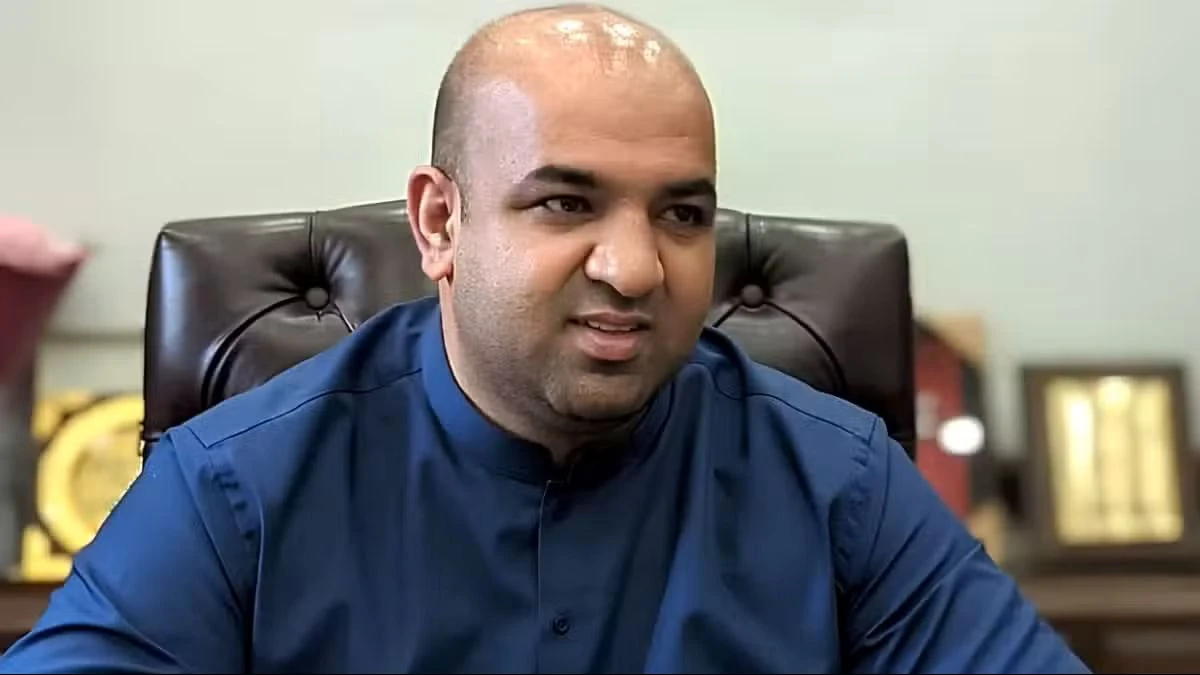
Punjab Education Minister Rana Sikandar Hayat announced the proposed reform during a press conference, saying the new system would make examination checking more transparent and help ensure that students receive marks based on their actual performance.
Under the on-screen marking system, answer sheets are expected to be checked digitally rather than being assessed manually in the traditional way. The move is aimed at reducing the chances of unfair practices, interference and inconsistencies in paper marking.
Schools to Face Accountability for Poor Results
The education minister also said that schools would be held responsible for weak academic performance. The government plans to use a combination of merit-based recognition, rewards, penalties and regular monitoring to improve educational standards.
According to the minister, a transparent examination system can provide students with an equal opportunity to demonstrate their abilities and ensure that academic achievement is based on genuine effort.
He highlighted improvements in the performance of girls and strong results among students from minority communities as examples of the impact of greater transparency and efforts to curb cheating and other forms of interference.
SLO-Based Assessments Planned
Punjab is also moving toward Student Learning Outcome (SLO)-based assessments. The approach focuses on testing students' understanding and learning rather than relying mainly on memorization.
The provincial government is further working on curriculum reforms that will incorporate artificial intelligence (AI) and modern educational requirements.
These initiatives are part of Punjab's broader education reforms aimed at improving the quality of teaching and assessment. The government says the changes will help ensure that students receive fair recognition for their hard work while making real learning and academic performance the key measures of success.