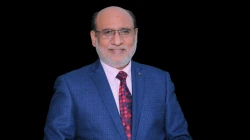



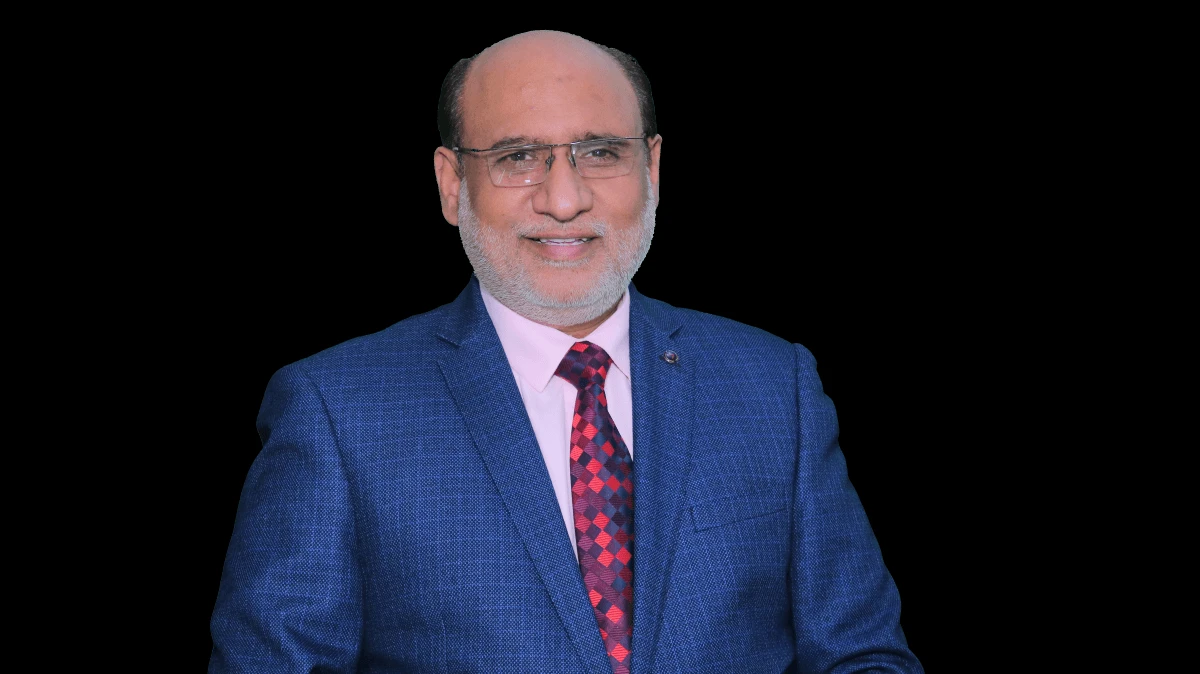
ISLAMABAD (P.R.) — Yousuf Almas, CEO of Eduvision Career Counselling, said that unemployment is a major challenge facing Pakistan and other developing countries. Addressing the issue requires more than simply creating new jobs; it is equally important to align young people’s education and career choices with the requirements of the job market. He said that the lack of proper career planning is also one of the factors contributing to unemployment, despite young people acquiring degrees and skills. He expressed these views during a live session.
He said career planning is often considered a luxury in Pakistan, with many parents and young people failing to plan their careers properly. As a result, students face difficulties during or after completing their degrees. One of the major reasons is that students often overlook their abilities, interests and personality when making career decisions.
Yousaf Almas also said students frequently choose careers under social pressure, parental expectations, peer influence, or because certain professions are considered symbols of success. Consequently, they may enter fields that do not match their interests or natural abilities. Although they may eventually complete their education, they can face difficulties in practical life and finding suitable employment. Even when they secure a job, a mismatch between their abilities and the nature of the work can make it difficult for them to perform effectively, potentially leading to job loss or leaving employment themselves.
Yousaf Almas stressed that a career is not merely a job but a journey that should involve continuous growth and progress. He said decisions made at the beginning of a person’s educational journey can have a lasting impact on their professional and personal life. A wrong career direction may create economic, family, social and other difficulties, even for individuals who possess considerable abilities.
He emphasized that parents and students should make career decisions on a scientific basis rather than relying on assumptions and personal preferences alone. Career planning should cover every major stage, including what education a student will pursue, which institution to attend, the selection of a degree and university, and the development of relevant skills and internships during the degree program.
He said planning should not end with obtaining a degree. Students should also consider what type of employment they intend to pursue and how they will build their professional careers. Similarly, students interested in entrepreneurship should begin planning for a business career during their secondary and intermediate education.
Yousaf Almas said that reducing unemployment requires preparing children from the early stages of education to meet the changing demands of the job market. Every child should have the opportunity to choose a field of work or career that matches their abilities, interests and natural inclinations, enabling them to build a more productive and successful professional life.