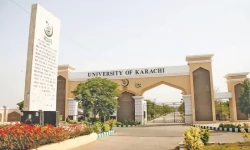



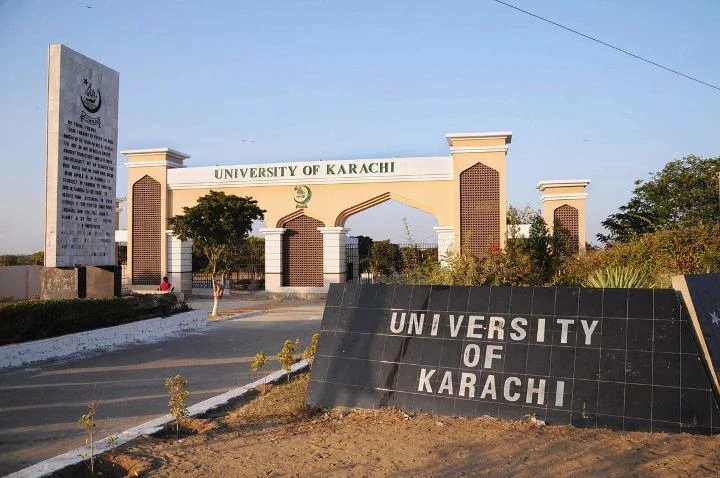
The University of Karachi could face bankruptcy and difficulties in paying employee salaries if it proceeds with a newly approved housing allowance without securing additional funding, the university's finance director has warned.
The warning came after Acting Vice Chancellor Dr. Tufail Jokhio approved a housing allowance for university employees despite the Sindh government's refusal to provide a separate grant for the additional expense.
According to reports, the approval was also issued without obtaining the required approval from the university's Syndicate or Finance and Planning Committee.
Rs. 540 Million Annual Expense
The housing allowance is expected to place a major additional burden on the university's finances. The administration has cited an estimated cost of around Rs. 50 million per month, while the reported annual expenditure is approximately Rs. 540 million.
The two figures do not exactly match, leaving some uncertainty about the final annual cost. Nevertheless, the proposed allowance would create a substantial recurring financial obligation for the university.
In a written objection, the finance director stated that the University of Karachi did not have sufficient resources to bear the additional expenditure.
He warned that continuing with the payment could seriously damage the university's financial position and could ultimately leave it unable to pay salaries and other essential expenses, potentially pushing the institution towards bankruptcy.
Sindh Government Refused Funding
The Sindh government had already refused to provide funding for the housing allowance.
Former Vice Chancellor Dr. Khalid Iraqi had also reportedly declined to approve the allowance because the university lacked the financial resources needed to sustain the additional expense.
Despite these concerns, Acting Vice Chancellor Dr. Tufail Jokhio issued a notification approving the allowance and subsequently left for an overseas visit, according to the report.
Bankruptcy Has Not Occurred
The finance director's warning does not mean that the University of Karachi has already gone bankrupt.
Rather, the warning highlights a potential financial crisis if the university takes on the additional recurring expense without a reliable source of funding.
The university now faces pressure to clarify how the housing allowance will be financed and whether it can be sustained without affecting salaries, academic operations and other essential expenditures.
If no additional funding is secured, the growing financial burden could worsen the university's existing financial difficulties and increase the risk of a serious cash-flow crisis, including the possibility of bankruptcy in the future.