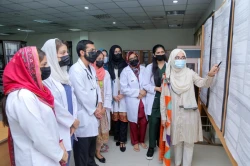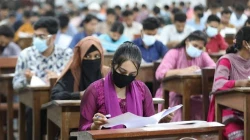



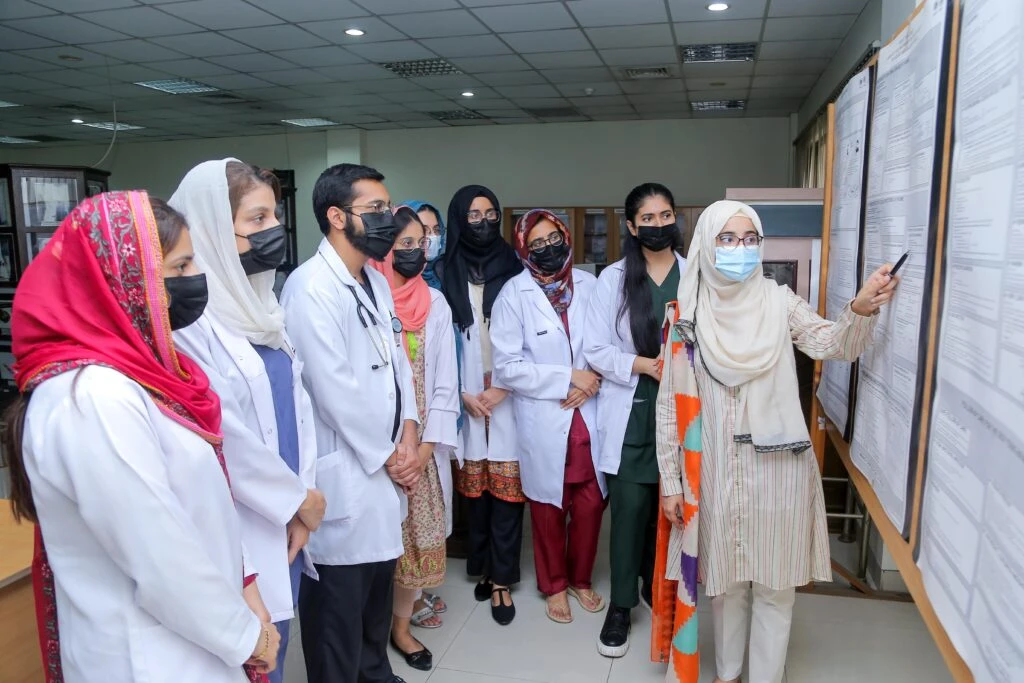
The Pakistan Medical and Dental Council (PMDC) has introduced annual mental health screening for medical and dental students, faculty members and staff to help identify psychological distress and suicide risk at an early stage.
The initiative will cover approximately 22,500 medical and dental students, with the aim of identifying individuals experiencing emotional or psychological difficulties and connecting them with appropriate support before their conditions become more serious.
PMDC President Prof. Dr. Rizwan Taj announced the initiative while speaking at the Pakistan Global Mental Health Summit 2026, where Federal Health Minister Syed Mustafa Kamal also launched the National Mental Health Policy 2026–2035.
Mental Health Made Compulsory in Medical Education
Prof. Dr. Rizwan Taj said mental health has now been introduced as an independent and compulsory subject in undergraduate medical and dental education.
The PMDC has significantly increased the amount of mental health education in medical and dental programmes, raising it from 50 hours to 175 hours. The council plans to increase this further to 200 hours.
The expanded curriculum is intended to equip future doctors and dentists with better knowledge and skills to recognize mental health conditions, provide initial support and guide patients towards appropriate treatment.
Mental Health Centres at Medical Colleges
Medical and dental colleges have also been directed to establish primary mental health care centres.
These centres will provide support and referral services to students, faculty, staff and other individuals who require psychological or mental health assistance.
The measures are aimed at creating a stronger support system within medical and dental institutions, where students and healthcare professionals can seek help at an early stage.
Pakistan Faces Significant Mental Health Challenges
The initiative comes amid growing evidence of mental health challenges across Pakistan.
The country's first nationally representative psychiatric survey found that 32.3% of adults, or nearly one in three Pakistanis, were living with a diagnosable mental or behavioural disorder.
The survey also reported that 6.2% of participants had experienced suicidal thoughts or behaviour during the previous month, while 1.1% reported having attempted suicide at some point in their lives.
Prof. Dr. Mohammad Iqbal Afridi, professor emeritus of psychiatry and a co-author of the study, said the findings could help policymakers improve mental health planning, strengthen the healthcare workforce and expand community-based mental health services.
The PMDC's new measures are expected to make mental health screening and support a more regular part of medical and dental education while helping institutions identify students and staff who may require professional assistance.