



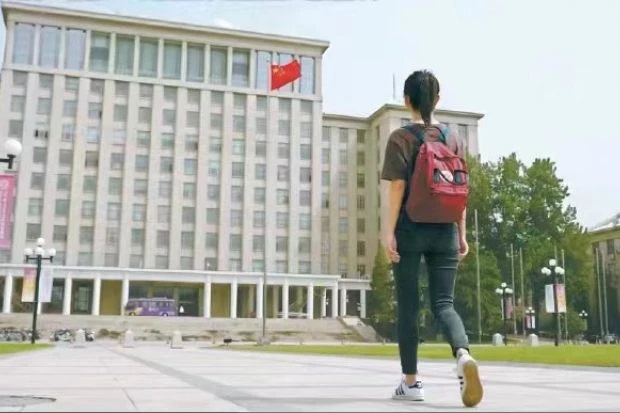
China is undertaking a sweeping transformation of its higher education system, replacing thousands of traditional university degree programs with courses designed for the artificial intelligence and digital economy era.
New data released by the Chinese Ministry of Education shows that universities across the country discontinued or suspended approximately 12,200 undergraduate programs between 2021 and 2025, while introducing around 10,200 new programs focused on emerging technologies and future workforce needs.
The overhaul impacts more than 30% of university degree offerings nationwide, making it one of the most significant curriculum reforms in China's higher education sector in recent years.
Universities Shift Toward Future Skills
The newly introduced programs emphasize fields such as Artificial Intelligence, intelligent robotics, advanced computing, smart manufacturing, digital engineering, and next-generation technologies. Chinese universities are increasingly redesigning their academic portfolios to support the country's long-term innovation and technology goals.
Education authorities believe universities must evolve to prepare graduates for a rapidly changing labor market where AI, automation, and digital transformation are reshaping industries and job requirements.
Traditional Disciplines See Major Reductions
A large share of the discontinued programs came from arts, humanities, foreign languages, and management-related fields. Officials say the move is intended to address growing concerns about graduate employability and the mismatch between university qualifications and labor market demand.
The reforms come as China continues to record rising university enrollment and graduate numbers, creating increased competition for jobs and placing greater emphasis on career-oriented education.
Preparing Graduates for Tomorrow's Economy
Experts view the changes as part of a broader effort to build a talent pipeline for strategic sectors including AI, advanced manufacturing, semiconductors, robotics, and the digital economy.
The reforms also reflect a growing global trend in which universities are updating curricula to equip students with practical, technology-driven, and interdisciplinary skills needed in future workplaces.
A New Era for Higher Education
While many educators support the modernization initiative, some academics argue that future-ready education requires greater flexibility, allowing students to combine disciplines and continuously develop new skills throughout their careers.
As AI continues to transform industries worldwide, China's latest reforms signal a major shift in how universities are preparing students for the jobs, technologies, and economic opportunities of the future.



![9th Class Result [2026] BISE Multan Board](https://www.eduvision.edu.pk/edu_news/images/thumbs/multan-board.webp)