



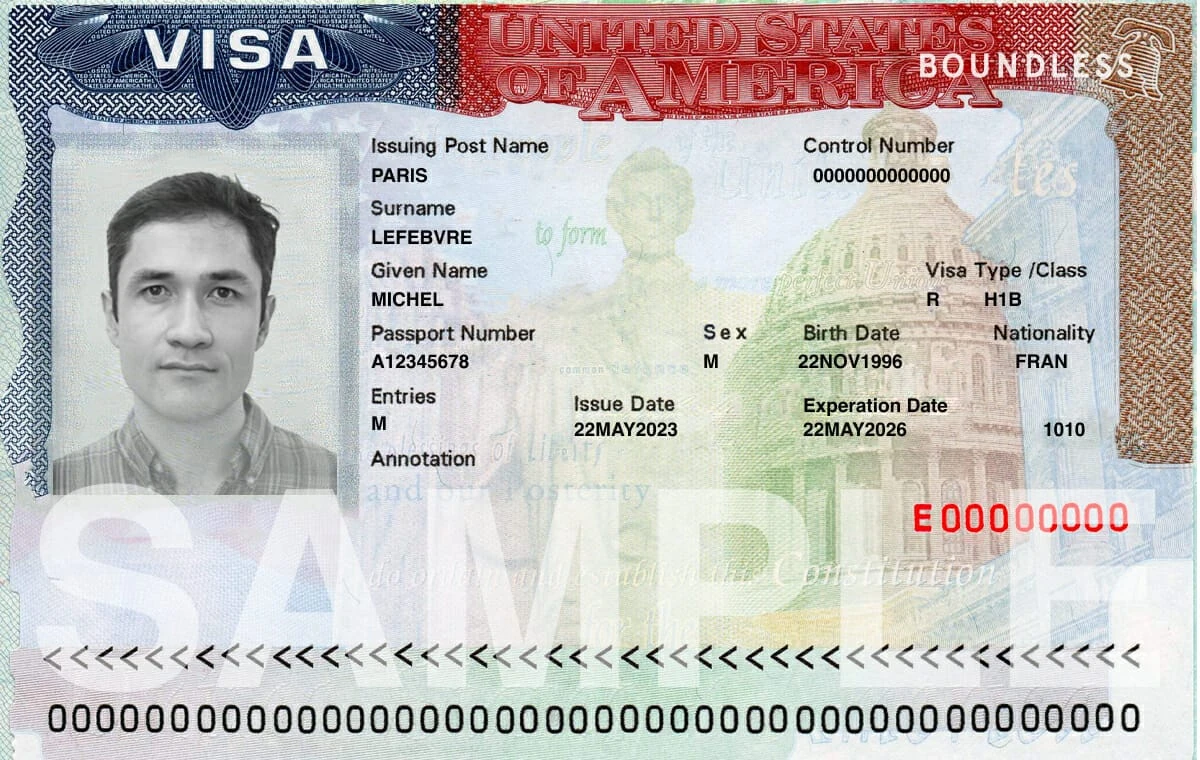
A major investigation into counterfeit academic credentials in India has sparked fresh concerns about the integrity of educational documents used in international employment and visa applications.
According to reports, Indian authorities have seized nearly 100,000 allegedly fake degree certificates and related documents during raids linked to an academic fraud network spanning multiple institutions. Investigators claim the operation involved forged qualifications in fields such as engineering, medicine, and nursing.
The findings have drawn attention because some of the fraudulent credentials are alleged to have been used in applications connected to the United States' H-1B visa program, which allows employers to hire foreign professionals for specialty occupations requiring specific educational qualifications. However, authorities have not publicly disclosed how many visa applications may have been affected.
Law enforcement agencies reportedly recovered counterfeit certificates, forged university seals, and printing equipment during the investigation. One institution is accused of issuing tens of thousands of fraudulent credentials, making the case one of the largest education fraud investigations in recent years.
Immigration and education experts say the case highlights the importance of credential verification in global recruitment and higher education systems. Authentic academic records are a key requirement for professional licensing, university admissions, and employment-based immigration programs around the world.
The investigation remains ongoing, with authorities working to determine where the forged documents were used and whether additional individuals or organizations were involved. The case could lead to stricter verification procedures for academic credentials and employment-based visa applications in the future.
![9th Class Result [2026] BISE Multan Board](https://www.eduvision.edu.pk/edu_news/images/thumbs/multan-board.webp)